
The boy from Pascuara
Luís da Silva
Eight years old, a silver medallion round his neck and a wheelbarrow full of bottles. He wants to play like Pelé. Nana says he was born under Pisces, and that he will suffer before he finds his team.

Final · Maracanã
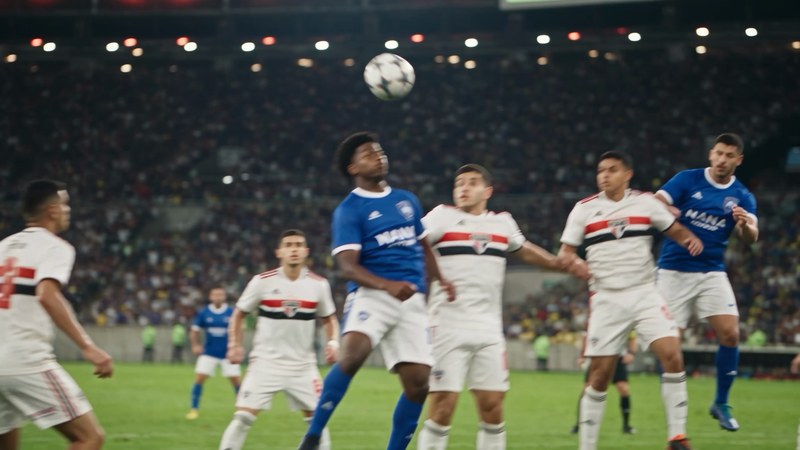
Two goals behind, three minutes left. Luís comes off the bench. Pascuara Nana are down to nine men.
— Levanta a bola pra mim, ouviu?
— Sababa. סבבה
Twenty seconds left in the final. A favela boy, an old woman who read the stars, and twenty-two names.
Two goals behind, three minutes left. Luís comes off the bench. Pascuara Nana are down to nine men.
0:18Chest
Proof of concept · 1:42
The dying seconds of the final, called live in Portuguese.
Proof-of-concept trailer made with generative AI. Not final cast.
0:16Right thigh
The most moving book of 2026.
0:13Left thigh, past Mauro
Where it started
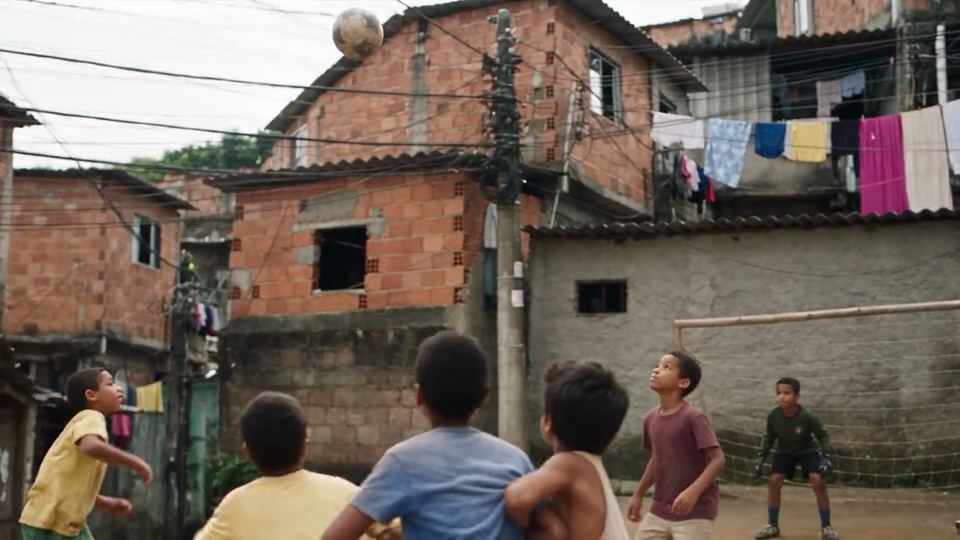
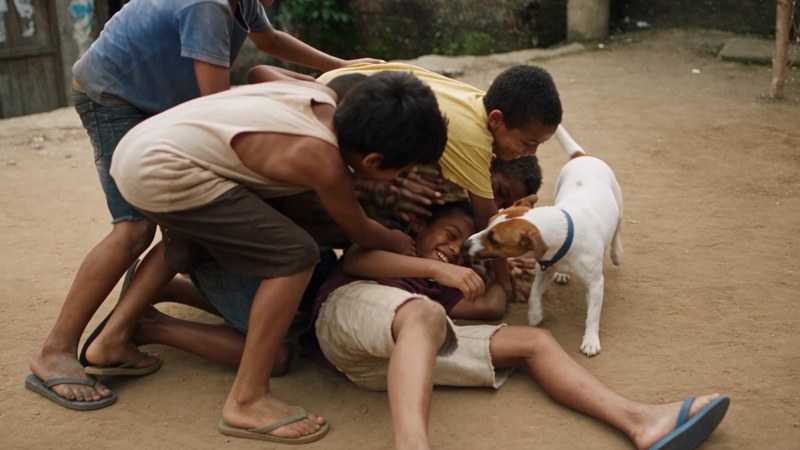
When the trucks empty into the sewage pit, kids dig through it for bottles worth a few centavos. Luís is eight, wears a silver medallion, and plays on the dirt pitch with a Jack Russell named Pasco.
Nana looks about ninety and reads the stars. She lists twenty-two countries, a child's name beside each, with Luís at the top, next to Brazil. “It’s all ready, Luís. All that’s left is for you to wait.”
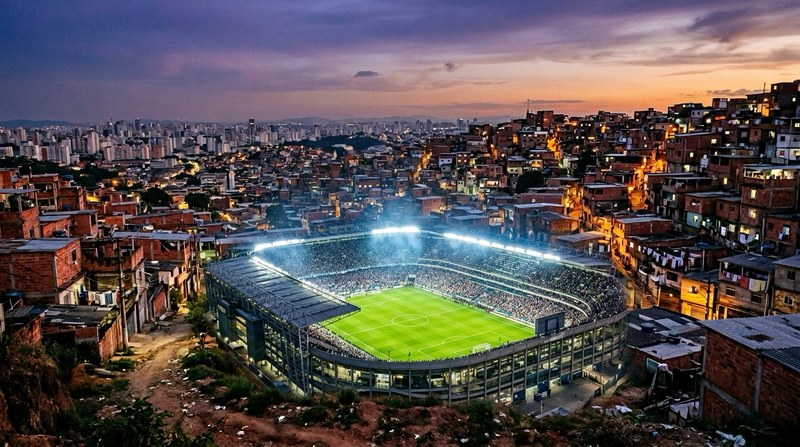
The favela is gone, and a stadium stands in its place, finished and locked. Then envelopes reach twenty-two eighteen-year-olds in twenty-two countries.
From the book
When you run across the field, we’ll be running too.
The boy from Pascuara
Eight years old, a silver medallion round his neck and a wheelbarrow full of bottles. He wants to play like Pelé. Nana says he was born under Pisces, and that he will suffer before he finds his team.

Jack Russell · Luís's best friend
Nana's dog. He pins the ball with both front paws and won't give it back. Nana has already told him: stay with Luís until he turns eighteen.

The old woman who reads the stars
About ninety, long white hair, star charts dated ten years ahead. Pascuara sees an old woman in a shack. Nobody knows what she owns, or what she has planned.

Kfar Saba · No. 9
“Tal Shelach, de Israel? Quem diria que eles também produzem talentos do futebol, hein?”
Tal Shelach, from Israel? Who knew they made football talent too, huh?
Eighteen, showing off his ball control on a sandy pitch in Kfar Saba, until a courier checks a photo and stops the game. He is the one Israeli among Nana's twenty-two.
The girl with the medallion
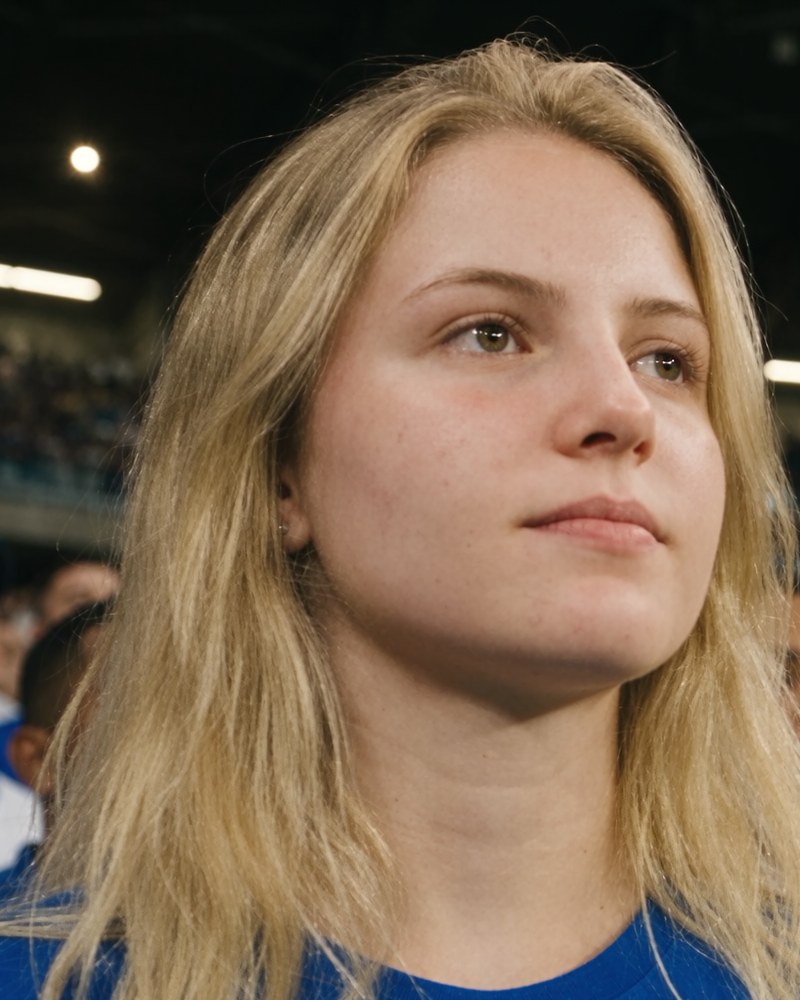
At eight she takes Luís, his friends and Pasco for a day in a limousine, and tells the driver she's in love with him. She leaves for Rio wearing his medallion. At eighteen, she still wears it.

The coach
Americano's youth coach, in his sixties. He calls Luís the best he has ever seen and keeps the secret of where the boy comes from. Standing by the boy costs him.
0:10Right foot, past Lugano
Lineups
From her window, Nana looks up at the stars and whispers, as if in prayer:
Nana, in a recorded message to the twenty-two
Twenty-two eighteen-year-olds from twenty-two countries, and none of them knows why. Each one gets an envelope. Tap a star to open it.
Every line leads to Pascuara.
Kfar Saba · Pascuara
“Tal Shelach, de Israel? Quem diria que eles também produzem talentos do futebol, hein?”
Tal Shelach, from Israel? Who knew they made football talent too, huh?
In the novel, the envelopes start in Kfar Saba. Tal Shelach, eighteen, is showing off his ball control on a sandy pitch when a car pulls up and a courier checks a photo. In the trailer, just before the last corner, Luís pulls him aside and asks for one thing. Tal answers in Hebrew.
Only in Israeli hotels do you get a breakfast like this.
רק בבתי מלונות בישראל ישנה ארוחה כזאת בבוקר.
The novel was written in Hebrew. The trailer speaks it once.
Nana's twenty-two
0:06Replays
Everything before the last ball.
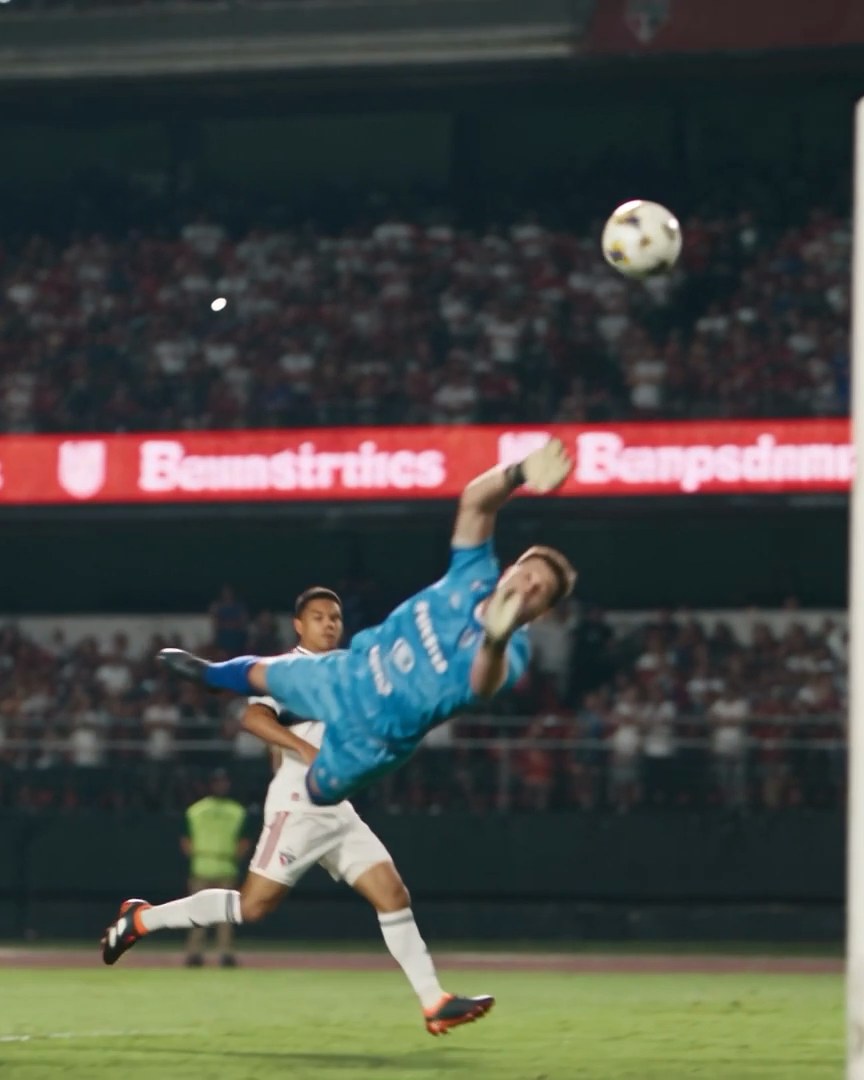
Que defensaça do Ian McLeod, milagre!
What a save from Ian McLeod. A miracle!

Passou pelo goleiro, vai entrando… Ricardo voltou, salvou!
Round the keeper, it's going in… Ricardo gets back and saves!

Não importa o que aconteça, levanta a bola pra mim, ouviu?
Whatever happens, float it to me, you hear?
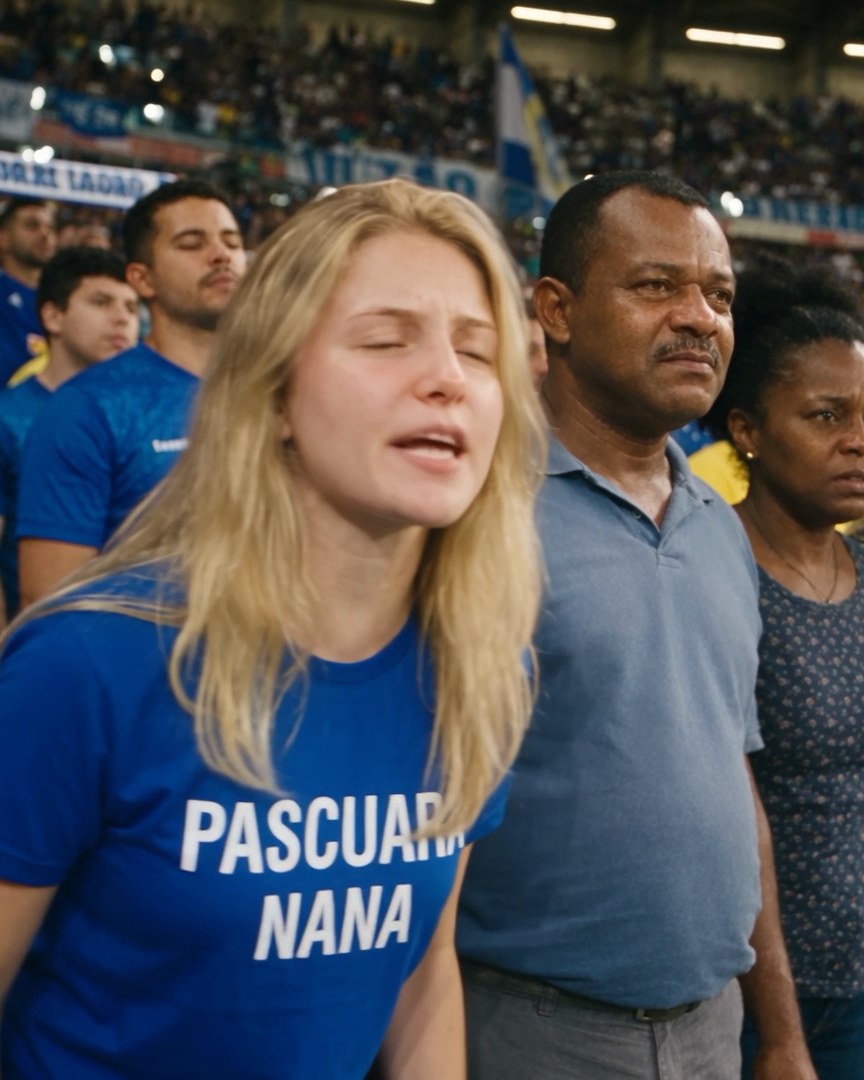
Vai, Luís, você consegue! Você consegue até sem prorrogação!
Come on, Luís, you can do it! You can do it without extra time!

É a última bola. Todo mundo na área.
It's the last ball. Everyone in the box.

Bola na área, Luís dominou…
Ball into the box, Luís takes it down…
0:03Volley
Same kick · Mesmo chute · אותה בעיטה
They will need you, and you must try with all your might to help them. Without you, they will fail.

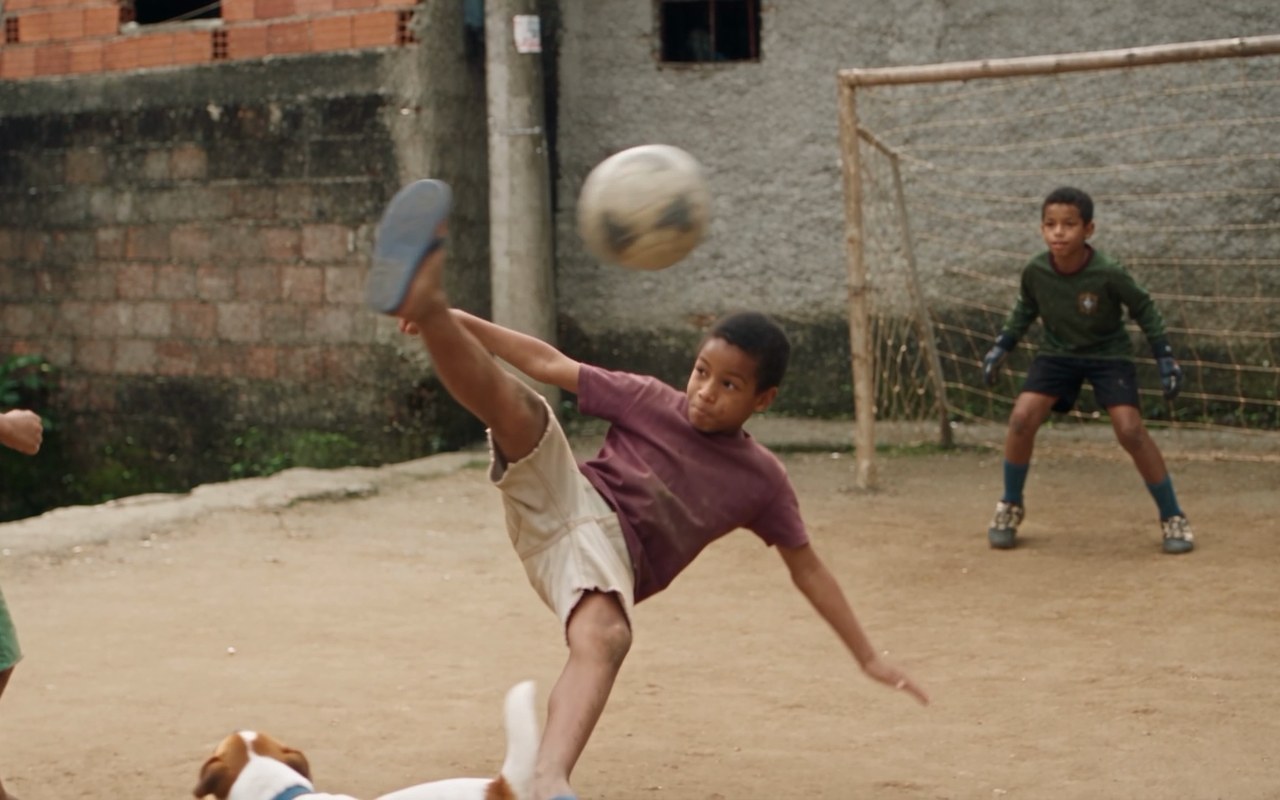
Pascuara · ten years earlier
Maracanã · 90+2′
Three months after Nana's death, the bulldozers came.
What’s the point of building a stadium on Pascuara’s land?Minas, one of Luís's friends
That’s the secret of it all.Ned Dettner, Robbie Brown's right-hand man
Years ago, an old woman told him…
When all hope is gone, they will need you most.

0:00Off the post. In.
Três minutos, três minutos foram suficientes!
Three minutes were enough.
Pascuara’s flag bears the image of Nana, surrounded by the poverty of the favela, with the sun rising behind her.

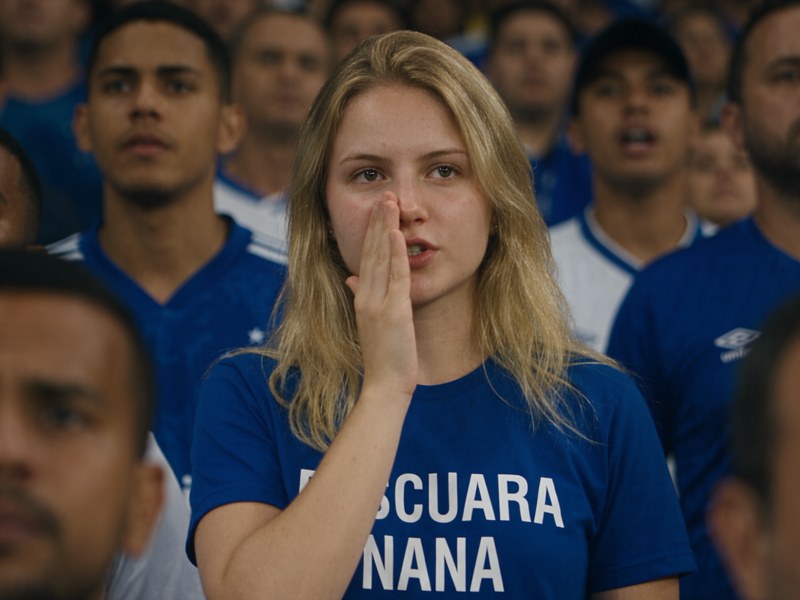

Man of the match
Cleared the fence in one leap. Delivered the phone.


Press conference
Logline
In a São Paulo favela, an old woman who reads the stars writes twenty-two names beside twenty-two countries, with a favela boy named Luís at the top. Ten years later, envelopes find all twenty-two, and the strangers she chose become one team, with all of Brazil watching.
Pascuara Nana began as a novel, written in Hebrew by Arie Leibowitz and now complete in English. It is a feature-film project. To show how it could look and sound, a 1:42 proof-of-concept trailer was made with generative AI: the dying seconds of a cup final, called live in Portuguese. The faces on screen are not the final cast. The story is the book's.
Pascuara is the São Paulo favela the world forgot. Luís da Silva is eight. He digs bottles out of the trash heap for a few centavos and plays on a dirt pitch with a Jack Russell named Pasco. Nana, an old woman who reads the stars, tells him he will suffer first, and that one day he will stand at the centre of a team from many countries. When Nana dies, her secret comes out: she bought Pascuara, and her son must build the biggest stadium in the world there. Then the owner of Club Americano learns where Luís comes from and throws him out, and Aline, the girl who loves him, leaves for Rio wearing his medallion. Ten years later, envelopes reach twenty-two eighteen-year-olds in twenty-two countries, and Nana's voice calls each of them by name.
Roughly twenty seconds remain in stoppage time. The tension is unbearable—everyone is on their feet.
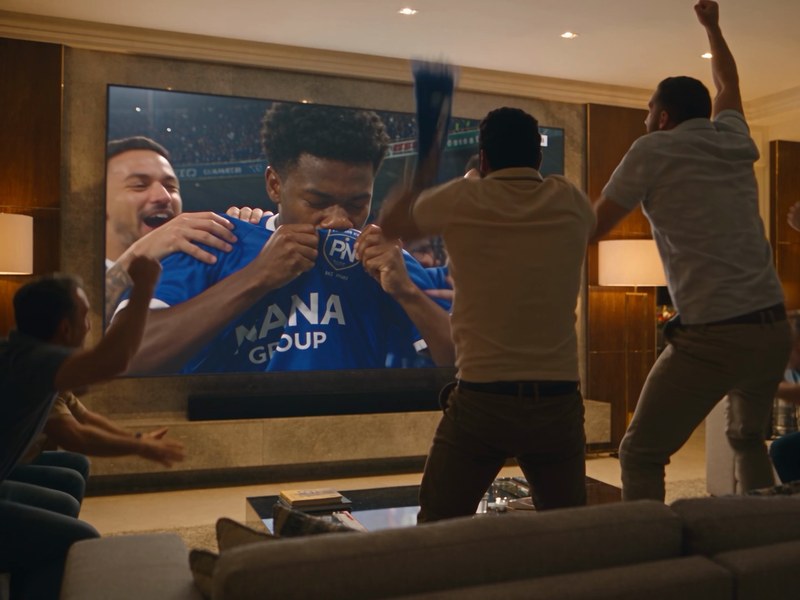
Tal Shelach approaches to take the corner. The ball soars through the air, lands on Luís’s chest, and he juggles it to his right thigh, then his left, slipping past Mauro. The crowd is stunned by the display, but Luís continues with flawless control, flipping the ball from left thigh back to his right foot, gliding past defender Everaldo Lugano. The crowd holds its breath in awe.
Luís raises his right leg. Out of the corner of his eye, he sees the referee glance at his watch and place the whistle in his mouth. Then Luís unleashes a volley straight out of the air. The ball rockets toward Americano’s goal. Everyone watches as it crashes against the left post and bounces over the goal line.